
For decades, cannabis has been viewed through a binary lens, either harmless or harmful. Yet as legalization expands across North America and global cannabis use continues to rise, neuroscience is painting a far more sophisticated picture. A groundbreaking study from researchers supported by Yale University’s Center for the Science of Cannabis and Cannabinoids (YC-SCAN²) demonstrates that cannabis use and cannabis use disorder are not simply different stages of the same process; they are biologically distinct conditions shaped by different genetic influences and different neural pathways. The findings challenge one of the most persistent misconceptions surrounding cannabis and could reshape how clinicians, policymakers and the public approach education, prevention and treatment.
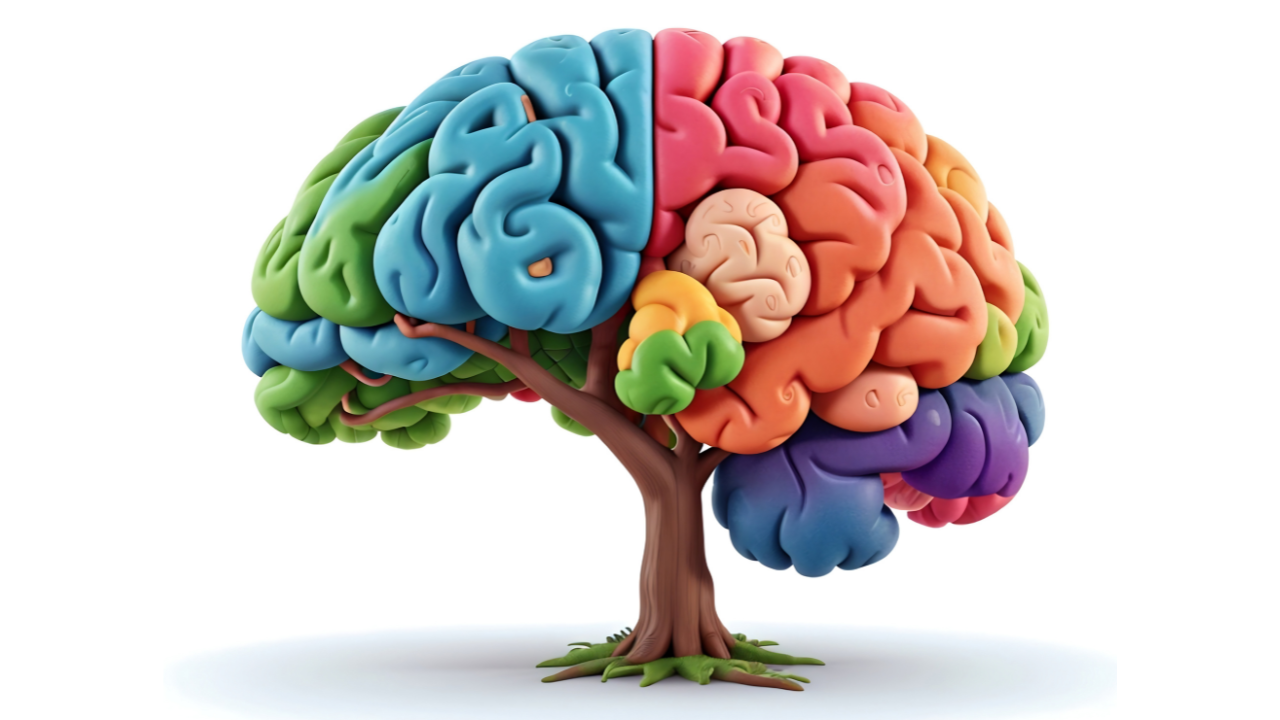
The research team analyzed thousands of magnetic resonance imaging (MRI) brain measurements alongside genome-wide genetic data to determine whether cannabis use and cannabis use disorder share the same biological architecture. Their answer was remarkably clear; they do not. Individuals genetically predisposed toward cannabis use demonstrated associations with the brain’s default mode network, a system responsible for internal reflection, memory processing, imagination and self-referential thinking. Researchers also identified genetic links between this network and the central executive network, which governs planning, attention and decision-making. These findings suggest that the biological factors associated with cannabis use involve neural systems responsible for cognition, introspection and behavioural regulation, rather than addiction itself.
Cannabis use disorder, however, followed an entirely different neurological blueprint. Rather than involving executive processing alone, genetic risk was associated with communication between the default mode network and the salience network, a system responsible for identifying significant internal and external stimuli while determining where attention should be directed. Researchers also identified associations with the integrity of white matter pathways, the brain’s communication highways that allow information to move efficiently between distant regions. According to senior author Renato Polimanti, PhD, this demonstrates that progressing from cannabis use to cannabis use disorder is not merely a matter of increased consumption. Instead, addiction reflects a qualitative shift in neurobiology driven by separate genetic mechanisms. This distinction reinforces an important reality frequently overlooked in public conversations; cannabis exposure alone does not determine whether someone develops problematic use.
For athletes and physically active individuals, these findings carry particular significance. Modern sports medicine increasingly recognizes cannabis as a tool explored for recovery, sleep quality, pain management and overall wellness. However, responsible use requires understanding individual biological differences rather than assuming identical outcomes for every athlete. Just as genetics influence injury risk, cardiovascular performance and recovery capacity, this study suggests that genetic factors may also influence susceptibility to cannabis use disorder. The science encourages personalized conversations between healthcare professionals and athletes instead of relying on outdated stereotypes or blanket assumptions. Precision medicine continues to redefine sports performance, and cannabis research is becoming part of that broader evolution.
The implications extend well beyond laboratories and clinical settings. As professional sports organizations continue reevaluating cannabis policies and more athletes publicly discuss incorporating cannabinoids into recovery routines, education must evolve alongside regulation. Studies like this reinforce that cannabis use should not automatically be equated with addiction, while simultaneously emphasizing that cannabis use disorder remains a legitimate medical condition requiring evidence-based prevention and treatment. The future of sports medicine and cannabis science depends on replacing stigma with data. Understanding the biological distinction between use and disorder allows clinicians to identify risk more accurately, helps researchers develop targeted interventions and gives athletes the knowledge necessary to make informed decisions about their health. Science is moving beyond simplistic narratives, and the conversation surrounding cannabis in sport should do the same.
Polimanti, R., Chen, Q., He, J., Qiu, D., Xu, Z., Mao, Z., Liu, H., Cabrera-Mendoza, B., & D’Souza, D. (2026). Neuropsychopharmacology. Yale University Center for the Science of Cannabis and Cannabinoids (YC-SCAN²).
Yale School of Medicine. “Cannabis Use and Cannabis Use Disorder Are Genetically Linked to Different Brain Networks.” Based on research supported by the Yale Center for the Science of Cannabis and Cannabinoids (YC-SCAN²).
Sports Cannabis
Join the Movement. Change the Narrative. Break the Stigma.
Toronto, Ontario
Canada
BREAK THE STIGMA

