
Featuring Riley Cote | Written and Interviewed by: Jai Morzaria
Within the evolving intersection of sport, culture, and holistic wellness, a new narrative is emerging—one that challenges long-held paradigms of endurance, pain tolerance, and post-career identity. At its core lies a profound recalibration of what it means to recover, not merely physically, but neurologically, emotionally, and spiritually. This is the space where lived experience meets emerging science, and where athletes begin to reclaim agency over their own healing narratives.
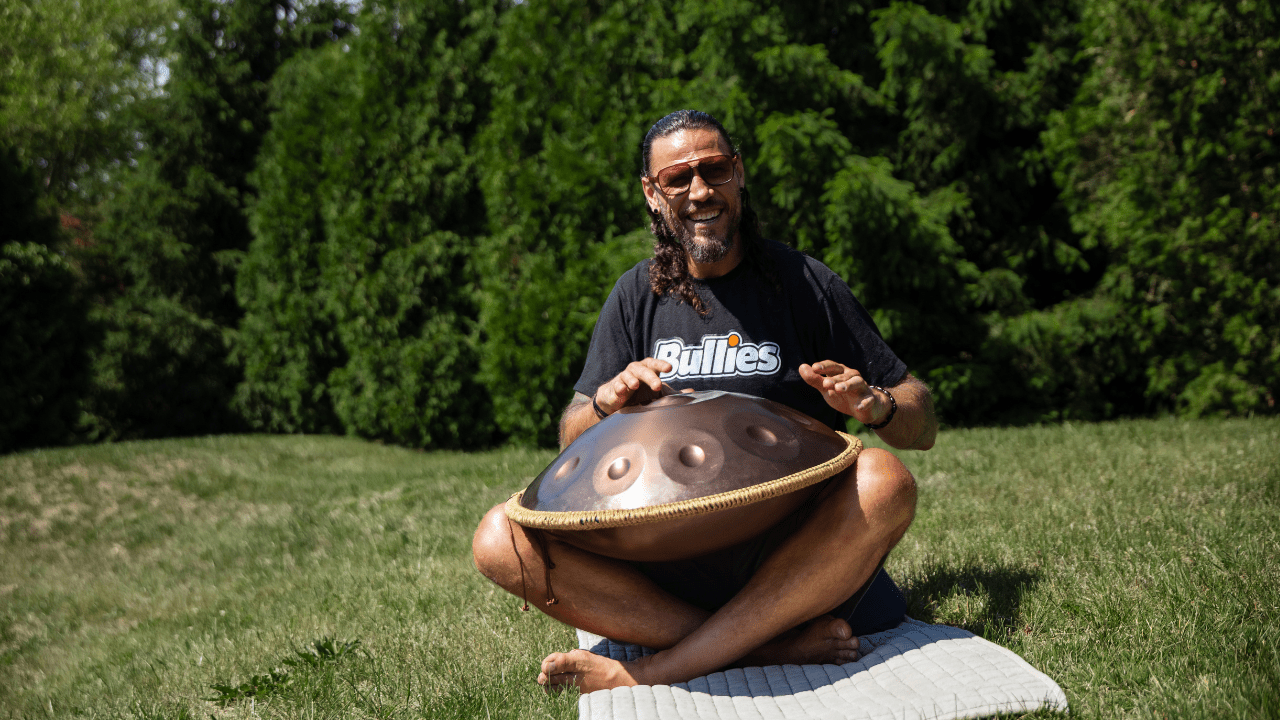
At the centre of this evolution is a former professional hockey player whose career spanned eight years at the highest levels of the game, including time in the National Hockey League with the Philadelphia Flyers. Known throughout his playing days as an enforcer—an archetype built on sacrifice, physicality, and protection—his journey extended far beyond the rink. From junior hockey uncertainty to a Calder Cup championship and an eventual role in NHL competition, his career reflected both volatility and resilience. Today, he stands as a content creator and educator within the wellness space, integrating plant medicine, mindfulness, and performance philosophy into a unified practice that challenges conventional recovery models.
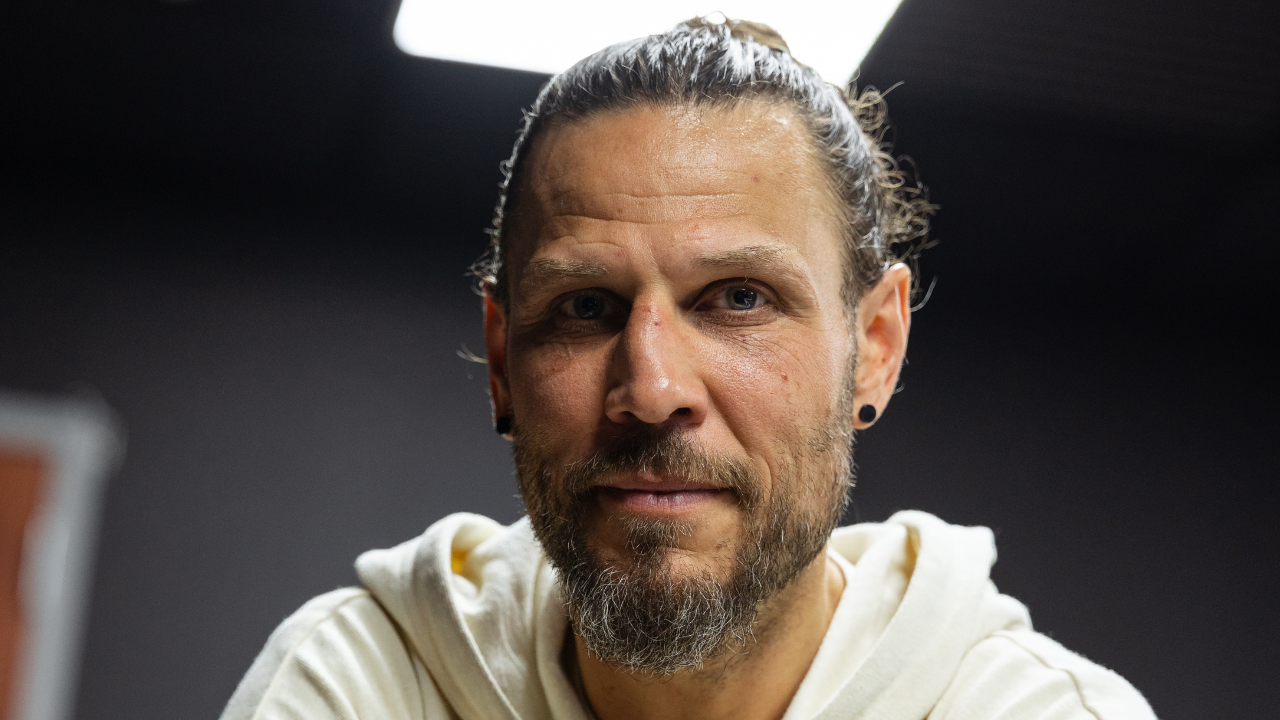
What distinguishes his post-career trajectory is not merely reinvention, but intentional integration. Through study of Yoga Philosophy, meditation, sustained exploration of breathwork, nutrition, and nervous system regulation, he has developed a structured mindfulness system that blends lived athletic experience with emerging holistic frameworks. His work now exists at the convergence of sport, consciousness, and plant-based medicine advocacy.
To understand the depth of this transformation, it is essential to examine the experience that shaped it, both the physical demands of professional hockey and the philosophical recalibration that followed retirement. The transition from elite athlete to advocate did not occur overnight. It emerged through years of physical wear, personal reflection, and a renewed examination of what it means to live well. In our exclusive interview with Riley Cote, he reflects on the experiences, perspectives, and pivotal moments that shaped this journey.
Jai Morzaria:
You built your reputation in the Philadelphia Flyers organization as an enforcer, absorbing impact, protecting teammates, and living through constant physical toll. Looking back, how did that role shape your relationship with pain, recovery, and ultimately cannabis?
Riley Cote:
“Having served in the role of an enforcer, I was ultimately forced to re-examine my relationship with pain, recovery, and cannabis. It helped me understand the difference between pain and suffering and how much of it could be softened and minimized. While I willingly signed up for the grind of being a hockey enforcer, the pain, inflammation and chronic anxiety I took on were part of the job. I now see that if cannabis could help me get through the hardest times of my life, then cannabis could also be an amazing ally for so many others.”
J M:
During your playing days in the NHL, cannabis was largely stigmatized and misunderstood. What were the biggest misconceptions you witnessed inside locker rooms at the time?
Riley Cote:
“I was still playing in an era where cannabis was viewed as the “devil’s lettuce”, completely misunderstood and looked down upon. Alcohol was still the substance of choice for most guys, which led to a lot of alcoholism and other drug abuse. Most players grew up with the belief system that athletes don’t use cannabis and that you will ruin your career if you use it. While the repercussions of getting caught with cannabis were real, the negative narrative around the plant certainly discouraged many, many players from ever consuming it during their active playing days.”
J M:
Post-retirement, you’ve immersed yourself in breathwork, mindfulness, and nervous system regulation. Where did cannabis first fit into that evolution, and what shifted for you mentally and physically when it did?
Riley Cote:
“Growing up, I often used cannabis to work out. I didn’t have the language to explain how it made me turn my focus inwards, but it kept me dialled in. It wasn’t until I started practicing yoga and mindfulness that I really started to understand the nature of awareness & nervous system regulation, the mind, meditation and the physical body. Since then, mindful cannabis consumption has continued to help me deepen my practices, soften physically and emotionally so I can now really embody the experience itself.”
J M:
You’ve been outspoken about cannabis as a tool—not an escape. For athletes and everyday individuals navigating stress and wear-and-tear, what does “functional cannabis use” actually look like in practice?
Riley Cote:
“Functional cannabis consumption is an intentional and predictable low-dose experience for performance and recovery.. Think microdosing cannabis. Taking the guesswork out. Knowing exactly what to expect every time. On top of predictability, quality and full-spectrum cannabis is critical in helping to create a well-rounded, intentional experience.
I also believe cannabis, especially flower at higher doses, can become a deeply psychedelic experience. In many ways, at its core, I view cannabis itself as a spiritual psychedelic plant medicine. Because of that, set and setting become incredibly important. Your mindset, emotional state, environment, music, breath, movement, and intention all shape the experience. When approached consciously and respectfully, cannabis can become a powerful tool for self-awareness, creativity, recovery, nervous system regulation, and deeper connection.”
J M:
Through your work with the Philadelphia Flyers Alumni Association, you’ve stayed deeply connected to the hockey community. How receptive are former players today to cannabis conversations compared to when you first started advocating?
Riley Cote:
“Things have changed tremendously since I first started advocating for cannabis/hemp. From having hemp seeds and protein powder pulled from the locker room, to coaches, players and medical staff buying my full-spectrum CBD products a few years ago, to now creating Bullies and building out a robust educational, science-based approach to healing, recovery and performance alongside it. Over time, the ignorance around the healing nature of cannabis has dissolved quite significantly, where now guys are not just more receptive to it, they are very curious about it. Realizing it could be the very thing they have been looking for. A sustainable way to manage pain, stress and promote a good night’s rest.”
J M:
There’s still a lingering stigma around cannabis in professional sports. From your perspective, what needs to happen—at a league, cultural, or policy level—to truly normalize its role in recovery?
Riley Cote:
“Yes, there is still some lingering stigma around cannabis, as well as the propaganda machine still working to demonize the plant. The leagues follow policy and regulation. Not culture. With the recent rescheduling of cannabis in the U.S. and Canada already having legal cannabis at a federal level, I’d like to think we will now see more change within the landscape of pro sports. But I do know some teams are not waiting for federal guidelines and getting ahead of the game and simply following the current cannabinoid science to offer their players safer ways to recover and manage the grind of the season.”
J M:
Today, you’ve partnered to create Bullies. Walk us through the partnership and the brand’s mission.
Riley Cote:
“A version of Bullies has been a vision of mine since I retired from playing hockey in 2010, even though there was no legal way to do it back then. Finding alignment with the right partners was of utmost importance. A few years ago, I was approached by Tony Minniti, owner of Camden Apothecary in NJ, to build a cannabis education and access program for the Philadelphia Flyers alumni, which we did. That naturally led down the path to actually creating Bullies. But we needed a manufacturer and cultivator to really help bring this brand to life. So I partnered with a vertically integrated NJ cannabis company called the Frosted Nug. Great guys who see the vision and are helping me to build it out the best way possible.”
J M:
You’ve said that most people aren’t looking for cannabis; they’re looking for relief. How did that insight directly shape the foundation and positioning of Bullies?
Riley Cote:
“The reality is most people are stressed out, have a deregulated nervous system, and are in some level of physical or emotional pain. Naturally, they are seeking some sort of relief. Many times, after exhausting all other potential solutions, they seem to find cannabis in one form or another. We want to meet people as they are and offer low-dose products that are predictable and that will help them get the relief they are looking for, without sacrificing productivity.”
J M:
Bullies is rooted in Philadelphia’s “toughness” identity, but it also challenges that same mentality. How are you redefining toughness through this brand?
Riley Cote:
“Bullies is helping to bridge the gap between old school toughness, which seems to almost glorify unnecessary suffering, and ‘Wise effort’, which promotes the highest level of toughness but with the gentle nature of rest, regeneration and repair. Bullies bring the balance, the Yin to the Yang.”
J M:
With Bullies focusing on low-dose, functional formats like beverages, capsules, and topicals, why is this important for new consumers who may be cannabis-curious but hesitant?
Riley Cote:
“Many cannabis-curious people often understand that cannabis helps them find relief, but don’t want to get high and are afraid of being ‘impaired and non-productive”. Bullies solve this problem and take the guesswork out of the experience so new consumers can confidently use cannabis in a very predictable and intentional way without the side effects they don’t want.
Our goal is to help people confidently explore cannabis in a way that feels approachable, balanced, and supportive to everyday life. Whether it’s a beverage, capsule, or topical, the focus is on consistency, quality, and functionality.
That said, when consuming flower, especially higher-potency flower, there’s naturally a greater potential for larger doses and more intense and possibly expansive experiences. That’s why intention, awareness, and understanding dosage are so important. Cannabis can be incredibly useful and beneficial, but like anything powerful, it should be approached with mindfulness and respect. Start low, understand your sensitivity, and create an environment that supports the experience you’re looking for.”
J M:
Looking ahead to the Summer 2026 rollout, what does success look like for Bullies, not just as a cannabis brand, but as a movement within recovery culture and athlete advocacy?
Riley Cote:
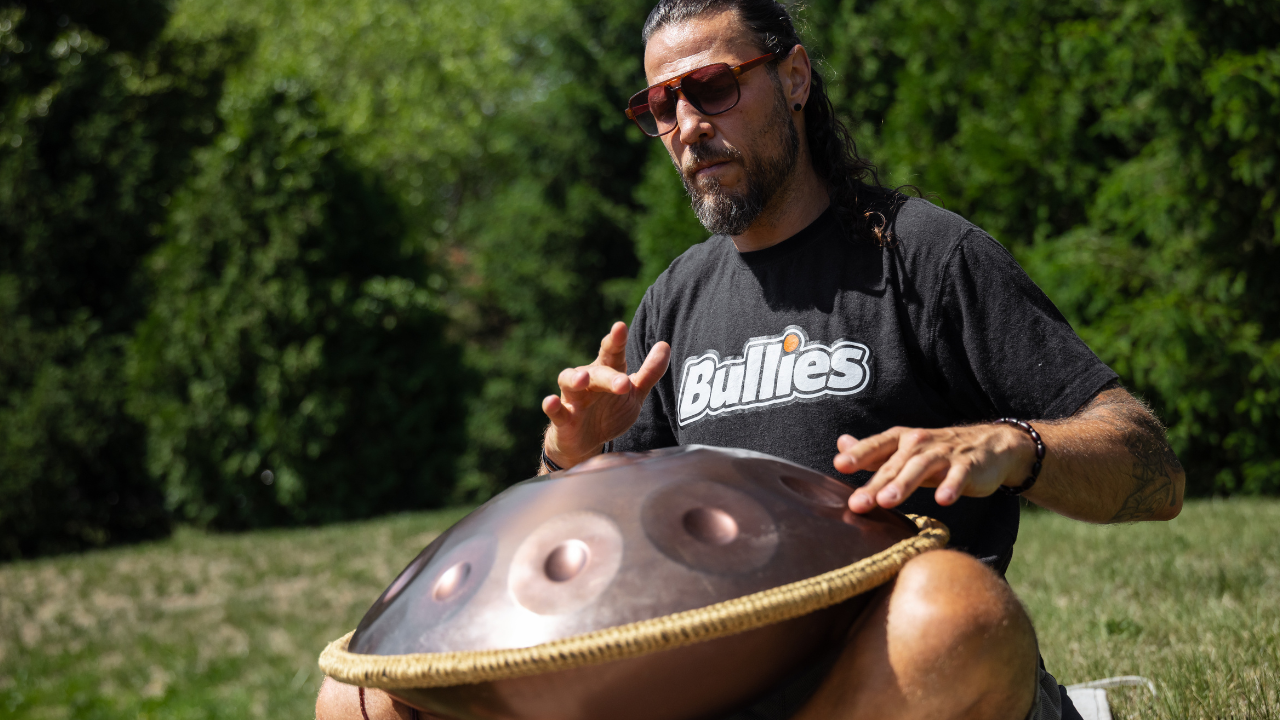
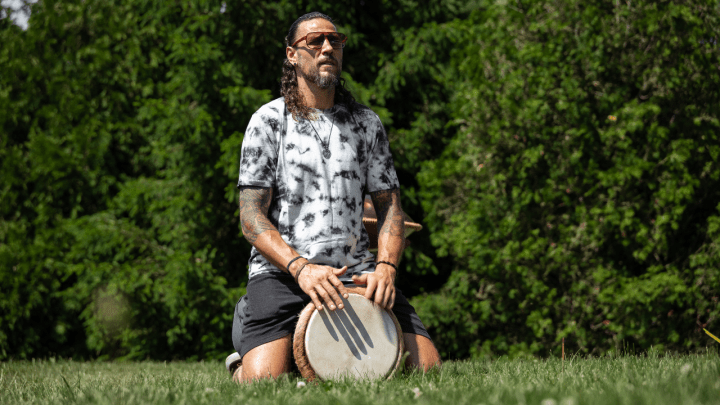
“Yes, this is much bigger than a cannabis brand. It is a movement in recovery culture and sport. The intentional pairing of cannabis with embodiment practices like yoga, breathwork, sound, rhythm, and hockey is the foundation of our ethos. Partnering with different groups and populations to teach mindfulness and mindful cannabis consumption, and getting in front of new consumers to help them realize their own true power and how cannabis can support them when used wisely. I expect nothing less than Bullies being not just a visible brand but a very respected brand.”
What emerges from this journey is not a departure from toughness, but a sophisticated redefinition of it. His evolution challenges the foundational assumptions of professional sport itself. The legacy being constructed is not one confined to statistics or penalty minutes, but to influence, education, and embodied transformation.
Through his continued work in mindfulness, plant medicine integration, and athlete advocacy, he is actively reshaping the conversation around recovery and performance. His platform stands as both an educational vessel and a cultural signal, one that invites athletes, practitioners, and everyday individuals to reconsider the architecture of healing itself.
The movement he represents is not simply about cannabis within sport; it is about expanding the lexicon of recovery, dignity, and human potential.
Stay connected with Riley Cote and the Bullies movement:
Sports Cannabis
Join the Movement. Change the Narrative. Break the Stigma.
Toronto, Ontario
Canada
 SPORTS CANNABIS