

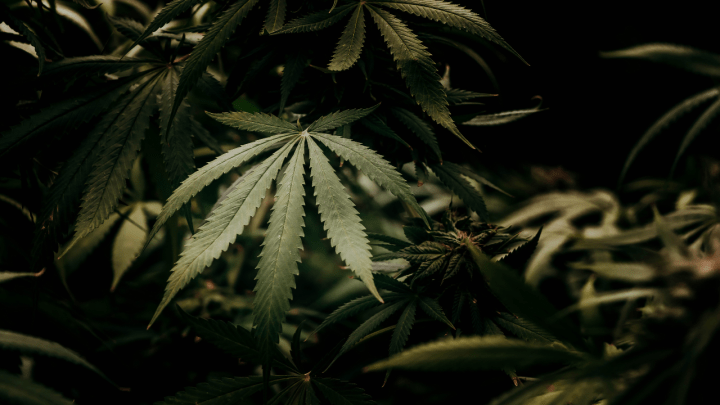
For decades, cannabis research has largely revolved around cannabinoids such as THC and CBD. While these compounds have transformed our understanding of therapeutic cannabis, they represent only a fraction of the plant’s remarkable chemistry. Scientists now estimate that Cannabis contains more than 750 naturally occurring metabolites, many of which remain poorly understood. A groundbreaking study from Stellenbosch University has revealed yet another hidden layer of complexity—one that could significantly expand the future of biomedical research and sports recovery.
Using advanced analytical technology, researchers identified 79 phenolic compounds within Cannabis leaves, including 25 compounds never before reported in the species. Most notably, the team documented the first-ever evidence of naturally occurring flavoalkaloids in Cannabis. These exceptionally rare compounds have attracted scientific attention because phenolic molecules—including flavonoids—are widely recognized for their antioxidant, anti-inflammatory, and anti-carcinogenic properties. While further research is required to understand their biological activity within Cannabis specifically, the discovery reinforces the notion that the plant contains far more therapeutic potential than previously appreciated.
The significance of the findings extends well beyond the compounds themselves. Researchers discovered that these newly identified flavoalkaloids were concentrated primarily within the leaves of only one commercially cultivated Cannabis strain, illustrating just how dramatically the plant’s chemical profile can vary between cultivars. This variability presents both an opportunity and a challenge for researchers. Historically, many scientific investigations have prioritized cannabinoids found within the flower, leaving non-cannabinoid compounds relatively unexplored. By employing comprehensive two-dimensional liquid chromatography coupled with high-resolution mass spectrometry, the Stellenbosch team successfully separated these rare molecules from far more abundant compounds—allowing scientists to observe chemistry that had remained effectively invisible using conventional analytical methods.
Perhaps the most compelling implication of this research lies in what has traditionally been discarded. Cannabis leaves have often been treated as agricultural waste despite containing a diverse collection of biologically active compounds. This study suggests that these overlooked portions of the plant may become valuable resources for pharmaceutical innovation, nutritional science, and future therapeutic development. For the sports community, where inflammation management, oxidative stress, and recovery remain central areas of performance science, discoveries involving non-cannabinoid compounds deserve close attention. While no direct performance or recovery benefits can be concluded from this research alone, expanding our understanding of Cannabis chemistry broadens the scientific foundation from which future recovery-focused therapies may eventually emerge.
As sports science continues to evolve alongside cannabis research, the industry’s greatest breakthroughs may come from asking new questions rather than simply studying familiar compounds. Cannabinoids have understandably dominated headlines, yet this discovery demonstrates that the plant still contains substantial unexplored chemistry capable of influencing future medicine. For athletes, clinicians, researchers, and innovators alike, the message is clear: the future of cannabis science may not only be found inside the flower, but also within the leaves once considered insignificant. Every new compound identified moves the industry one step closer to understanding the full therapeutic potential of one of nature’s most chemically sophisticated plants.
Source:
Muller, M., & de Villiers, A. (2025). Comprehensive two-dimensional liquid chromatographic analysis of Cannabis phenolics and first evidence of flavoalkaloids in Cannabis. Journal of Chromatography A, 1754, 466023. https://doi.org/10.1016/j.chroma.2025.466023
Sports Cannabis
Join the Movement. Change the Narrative. Break the Stigma.
Toronto, Ontario
Canada

