
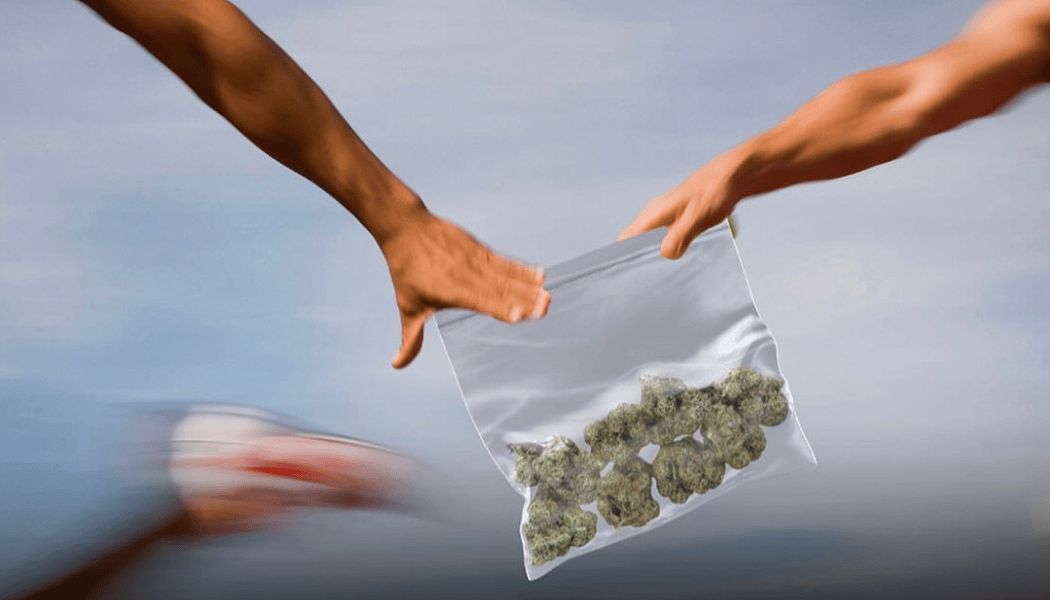
In competitive sports, recovery is just as important as performance. Every training session, competition and season places physical demands on athletes, making access to reliable medical care essential. As attitudes and regulations surrounding cannabis continue to evolve, medical cannabis is gaining momentum as a subject of serious discussion within sports medicine.
The conversation, however, is moving beyond accessibility. Quality control, standardized dosing, clinical oversight and patient safety are becoming central to the industry’s next chapter. What was once considered a fringe alternative is increasingly being examined through the lens of pharmaceutical regulation. For athletes, this could mark an important turning point in how cannabis-based treatments are evaluated and incorporated into broader healthcare discussions.
Insights from the Global Cannabis Regulatory Summit 2025 highlighted this shift. Tjalling Erkelens, founder of Bedrocan, emphasized that establishing cannabis as a legitimate medicine begins with consistent quality at the source. Much like any pharmaceutical treatment, cannabis medicines must meet reliable standards for potency, composition and availability.
This foundation is critical. Without consistent production and regulatory oversight, healthcare professionals cannot confidently evaluate treatment options or establish appropriate patient protocols. Legislative frameworks modelled on international narcotic drug controls are helping countries establish more structured approaches to medical cannabis. The objective is clear: move beyond inconsistent supply chains and build a system grounded in quality assurance and medical accountability.
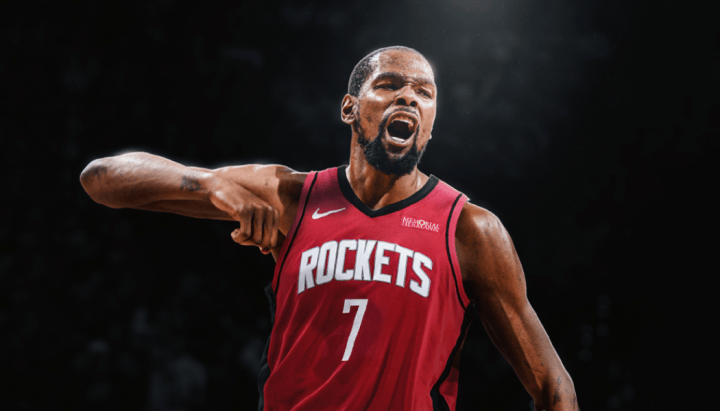
Putting Education Back in the Race
Regulation alone cannot carry this movement across the finish line. Clinical education must keep pace.
Physicians, pharmacists and sports medicine professionals need access to credible research and appropriate training to understand the potential applications, limitations and risks of cannabis-based medicines. Athletes, meanwhile, deserve the opportunity to have informed conversations with their healthcare providers without fear of judgment.
For years, athletes have expressed interest in cannabis for managing pain, supporting sleep and navigating the physical demands of competition. However, personal experiences and anecdotal evidence cannot replace clinical research. Greater education and medical oversight are necessary to distinguish emerging evidence from assumptions.
Sports organizations also have a role to play. Competition policies, anti-doping regulations and medical guidelines must evolve alongside scientific understanding. The World Anti-Doping Agency’s rules, for example, remain an important consideration for athletes navigating cannabis-related treatment decisions. Medical legitimacy does not automatically mean unrestricted use or exemption from competition requirements.
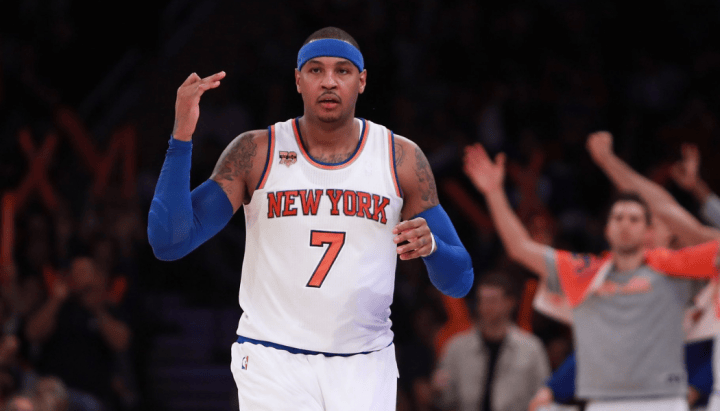
“This isn’t just about cannabis—it’s about empowering our communities, uplifting underserved entrepreneurs, and creating meaningful opportunities that support and celebrate our culture.”-Carmelo Anthony
The Next Lap Belongs to Athletes
The future of medical cannabis in sports will not be determined by regulation alone. It will depend on collaboration between researchers, healthcare professionals, policymakers, sporting organizations and, most importantly, athletes. As global frameworks continue to develop, the opportunity is to establish a healthcare environment where evidence leads the conversation, patient safety remains the priority, and athletes have access to informed medical guidance.
The movement needs more than spectators. It needs athletes willing to use their platforms, share their perspectives and challenge outdated narratives. Whether competing professionally, participating recreationally or building a community through sport, every athlete has a role in changing the conversation. Take a stand. Advocate for responsible cannabis policy, support research and education, and create safe, intentional spaces where open dialogue can take place.
The finish line is not simply broader acceptance. It is a future where education replaces misinformation, medical science informs decisions, and stigma no longer dictates the conversation.
Join the Movement. Change the Narrative. Break the Stigma.
Sports Cannabis
JOIN THE MOVEMENT.
CHANGE THE NARRATIVE.
BREAK THE STIGMA.
TORONTO, ONTARIO
CANADA

