

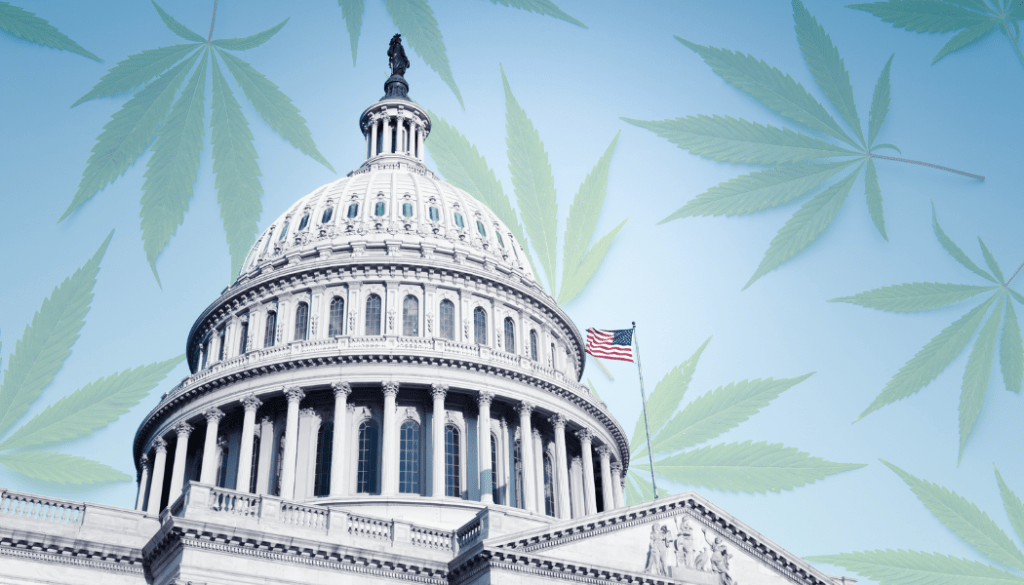
In a groundbreaking development, the Drug Enforcement Administration (DEA) announced its recommendation to reclassify cannabis under federal law, marking a significant shift in drug policy. This decision, following President Biden’s directive for a review in 2022, reflects evolving attitudes toward cannabis regulation and its potential medicinal benefits.
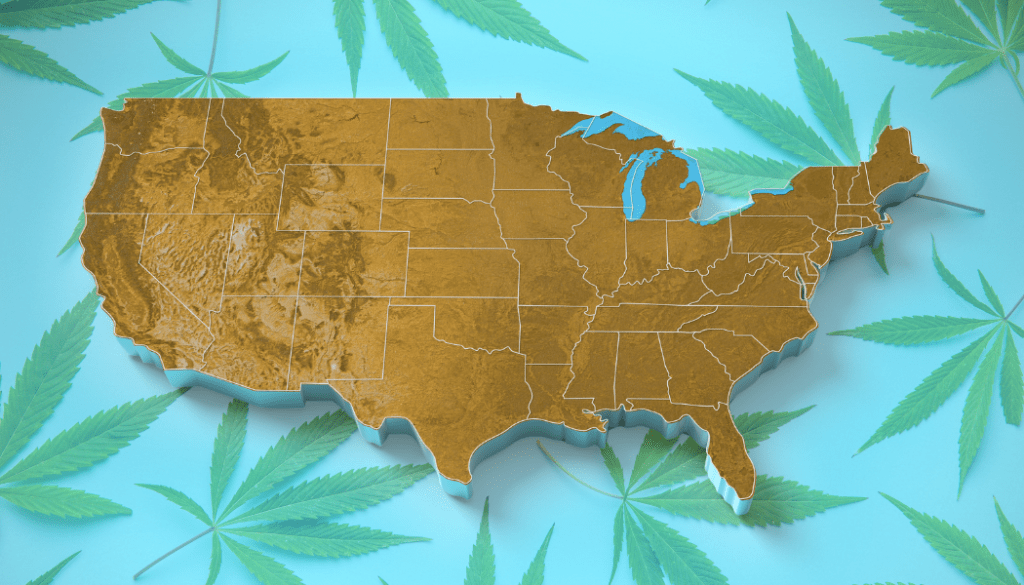
Sports Cannabis 5 Key Takeaways:
- DEA’s Milestone Decision: The Drug Enforcement Administration (DEA) has made a landmark decision, recommending the reclassification of cannabis under federal law. This move, following the U.S. Department of Health and Human Services’ earlier recommendation, signals a significant shift in the federal stance on cannabis regulation.
- Presidential Initiative: President Biden’s call for federal agencies to review cannabis scheduling in October 2022 marked a pivotal moment in U.S. drug policy. It was the first time a sitting president had advocated for the rescheduling of cannabis, underscoring the evolving attitudes toward its regulation and medicinal potential.
- Current Status and Implications: Currently classified as a Schedule I substance, alongside drugs like heroin, cannabis faces federal criminal prohibition due to its perceived high potential for abuse. However, the proposed reclassification to Schedule III would allow possession with a doctor’s prescription from licensed pharmacies, akin to anabolic steroids and ketamine. Despite this move, concerns persist regarding the adequacy of such categorization in addressing the complexities of cannabis regulation and its impact on federal prohibition.
- Diverse Perspectives and Recommendations: Stakeholders in the cannabis industry and advocacy groups offer varying perspectives on the DEA’s decision. While some express gratitude over the potential policy shift, others advocate for more comprehensive reforms. Many have emphasized the need for removal from the Controlled Substances Act entirely, advocating for state-level regulation without federal interference. Such sentiments echo the broader opinion that cannabis regulation should align with evolving public attitudes and scientific understanding.
- Calls for Comprehensive Reform: Beyond mere rescheduling, voices within the cannabis community emphasize the importance of broader reforms. Many advocates view the reclassification as a positive step but underscore the need to dismantle the harmful legacy of the war on drugs. Advocacy groups like the Last Prison Project are pushing for complete de-scheduling, prisoner release, and expungement of past cannabis convictions to address historical injustices and create a fairer legal framework. These calls for comprehensive reform highlight the broader societal implications of cannabis policy beyond its scheduling status.

Looking Forward: The DEA’s recommendation to reclassify cannabis marks a significant step toward reevaluating federal drug policy. However, it also underscores the ongoing debate surrounding cannabis regulation and the need for comprehensive reform. As discussions continue, the prospective future for health, wellness, and athletics may see increased integration of cannabis as attitudes evolve and societal understanding deepens.
Sports Cannabis
Toronto, Ontario
Sports Cannabis
Subscribe and Join the Movement
 SPORTS CANNABIS
2 thoughts on “DEA’s Historic Move: Cannabis Reclassification Sparks Debate on the Future of Drug Policy and Wellness”