
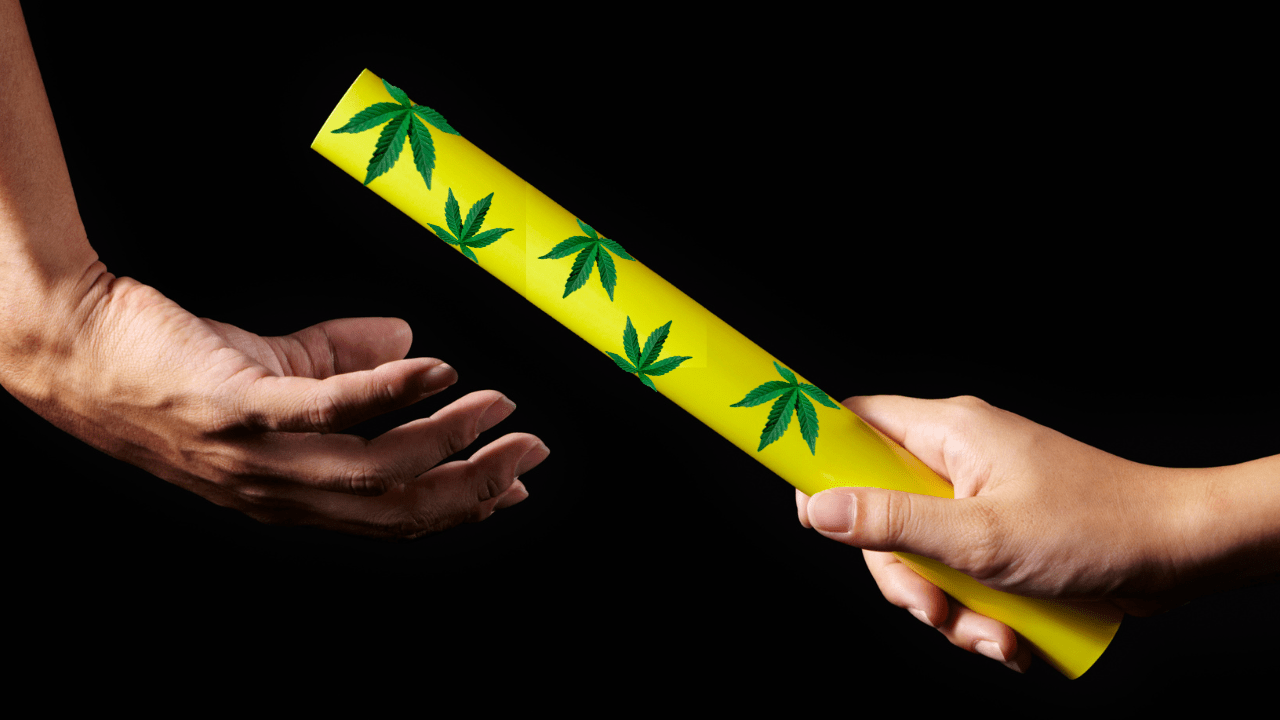
In elite sports, access to reliable recovery tools can make or break a season. As athletes push their physical limits, the medical cannabis industry is stepping into the spotlight with a bold new game plan. Thanks to evolving global frameworks, what was once a fringe remedy is now emerging as a regulated, pharmaceutical-grade option that meets the rigorous demands of both professional and amateur sports. At the heart of this transformation is a growing commitment to standardization, safety, and patient-first care. This shift could revolutionize how athletes approach injury recovery, pain management, and long-term wellness.

Recent insights from the Global Cannabis Regulatory Summit 2025 highlight a global shift in defining what constitutes a cannabis medicine. According to expert Tjalling Erkelens, founder of Bedrocan, the path to medical legitimacy starts with building consistent quality into the flower — the very first building block. Like any medicine prescribed to an elite athlete, cannabis must be reliable in potency, dosage, and availability. Through legislative and regulatory frameworks modelled on narcotic drug controls, countries are aligning their policies to elevate cannabis from an alternative option to an approved therapeutic.
One of the most promising frameworks for athletes is the prescriber-pharmacy model. This system, championed by clinicians and pharmacologists alike, promotes continuity of care, safeguards product integrity, and ensures the right fit between treatment and the physical demands of performance. Unlike dispensary or homegrown options, medical cannabis in this format meets pharmaceutical-grade quality — an essential distinction when training schedules, drug testing, and recovery protocols are on the line.

Furthermore, as clinical education expands, physicians, pharmacists, and sports medical staff are gaining the tools to prescribe cannabis medicines based on evidence, not anecdotes. This is a win for athletes who have long turned to cannabis to manage post-game pain or sleep issues but lacked proper medical guidance. With standardized dose forms such as vaporizers, oromucosal sprays, and individual blistered flower packs, cannabis can now be prescribed with the same precision as other controlled substances used in sports medicine.
The implications for the sports world are enormous. From veteran players dealing with chronic inflammation to youth athletes managing acute injuries, cannabis is entering the field with science-backed validation. As global policies harmonize, sports leagues, athletic commissions, and health providers may finally recognize medical cannabis as a legitimate player in the recovery game.

As the cannabis industry aligns with global medical standards, athletes stand to gain more than just relief — they gain access to treatment that’s consistent, effective, and tailored for their high-performance lifestyles. The road to reform is being paved with science, structure, and standardization.
Sports Cannabis
Toronto, Ontario
Canada
 SPORTS CANNABIS