


Former NCAA basketball standout Jarred Shaw has been sentenced to 26 months in an Indonesian prison for possessing THC-infused gummies. He avoided the death penalty, but his case reveals a dangerous disconnect between evolving cannabis medicine and rigid international drug laws. This matters now because professional athletes compete globally, while cannabis policy remains fragmented, unforgiving, and poorly understood.
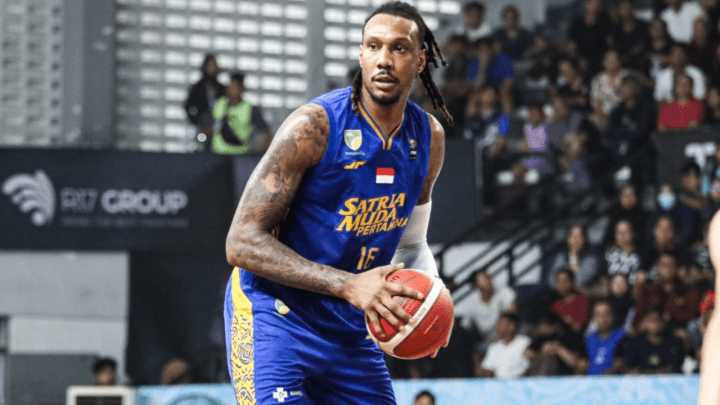
Before turning professional overseas, Shaw was a standout at Oklahoma State University, where he played four seasons and earned recognition for his scoring and defensive versatility. His collegiate career earned him multiple conference honors and positioned him as a promising talent for international leagues. After college, Shaw built a 12-year professional career spanning Europe and Asia, demonstrating resilience and adaptability while facing the challenges of living abroad and navigating competitive basketball circuits far from home.
Throughout his professional journey, Shaw faced physical and personal challenges that would have sidelined many athletes. Between gruelling travel schedules, injuries, and the demands of performing in foreign cultures, he consistently demonstrated discipline, leadership, and commitment to the sport. His recent tenure with the Tangerang Hawks in Indonesia marked another chapter in a career defined by perseverance.
In May, Shaw was arrested at his apartment in Tangerang, Indonesia, after retrieving a package shipped from Thailand containing cannabis gummies. He had just finished a game with the Tangerang Hawks of the Indonesian Basketball League. Shaw stated the gummies were intended to manage symptoms of Crohn’s disease, a condition he has lived with since 2010.
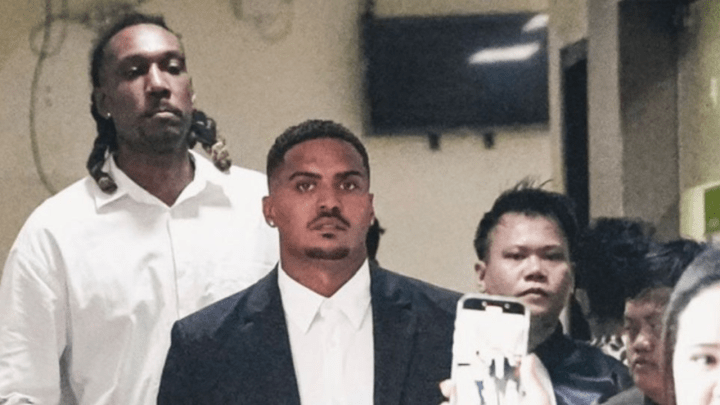
Indonesia enforces some of the harshest drug laws in the world. Cannabis possession can carry life sentences or capital punishment. Shaw was initially exposed to the possibility of a death sentence, though the court ultimately convicted him on possession charges without trafficking enhancements. He received a lifetime ban from the IBL and will serve his sentence in Indonesia.
Cannabis is increasingly recognized for its role in managing chronic inflammatory conditions, including Crohn’s disease. In many jurisdictions, it is legally prescribed and regulated. Athletes often turn to cannabis as an alternative to opioids or anti-inflammatory drugs with harsher side effects. When medical use collides with zero-tolerance regimes, athletes face consequences wildly disproportionate to intent or harm. Indonesia’s laws are sovereign and enforceable, and that reality does not absolve the global sports ecosystem from responsibility. Critics argue that visitors must respect local laws without exception.
Shaw’s case extends far beyond one player. It exposes a governance gap at the intersection of sports, medicine, and international law. As cannabis reform accelerates globally, the absence of standardized athlete guidance will continue to place lives and careers at risk. Silence from sports institutions signals acceptance of preventable harm. International leagues, agents, and governing bodies must implement mandatory legal education on drug policy, establish medical disclosure safeguards, and provide pre-travel compliance protocols. Athlete health cannot be selectively prioritized based on geography.
Jarred Shaw is alive, and that alone marks this outcome as a reprieve. It should not be mistaken for justice. Until global sports institutions confront the realities of cannabis medicine and international law, athletes will remain vulnerable to consequences that no game, contract, or career should carry.
Sports Cannabis
Toronto, Ontario
Canada
 SPORTS CANNABIS