
Interviewed by Jay Morzaria
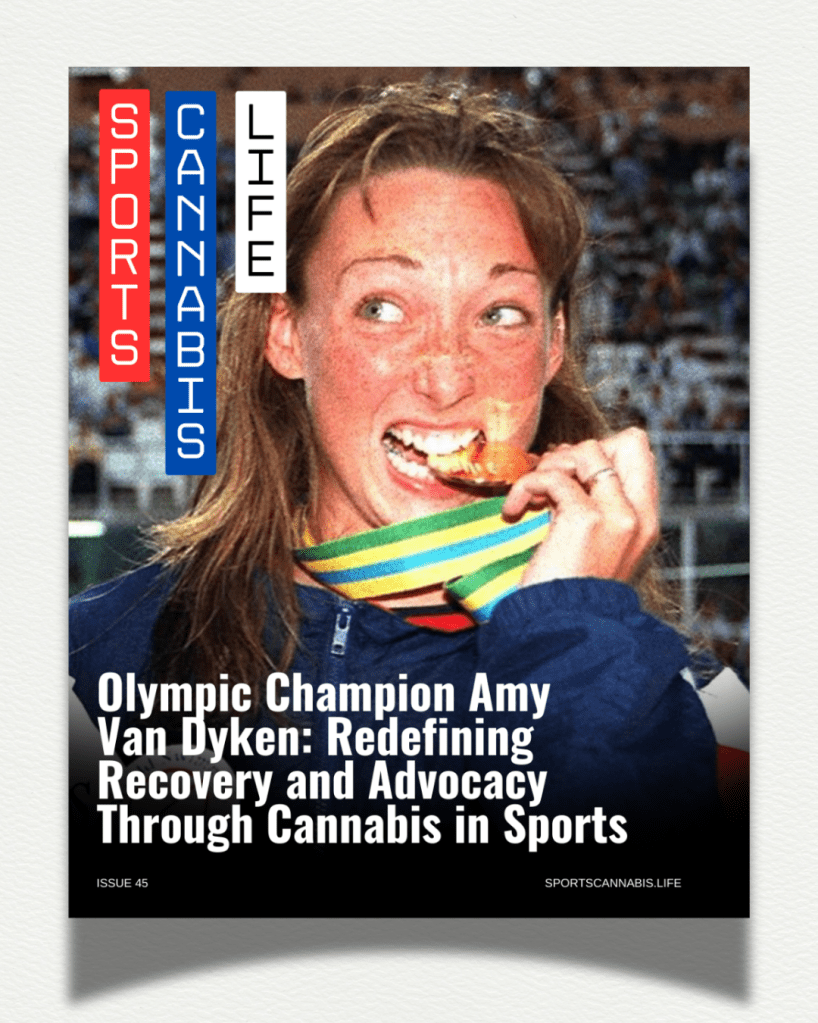
In the world of sports, few narratives are as compelling as that of resilience against overwhelming odds. Amy Van Dyken, a six-time Olympic gold medalist, embodies this spirit.
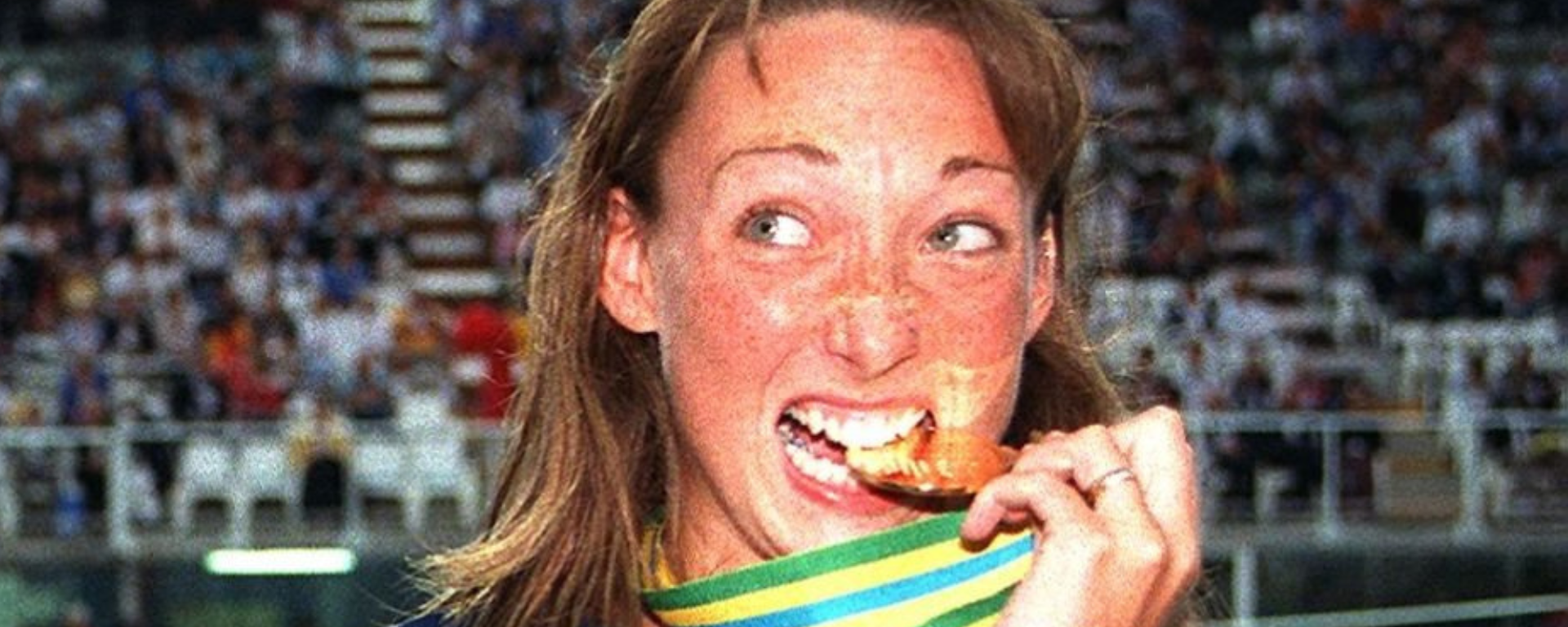
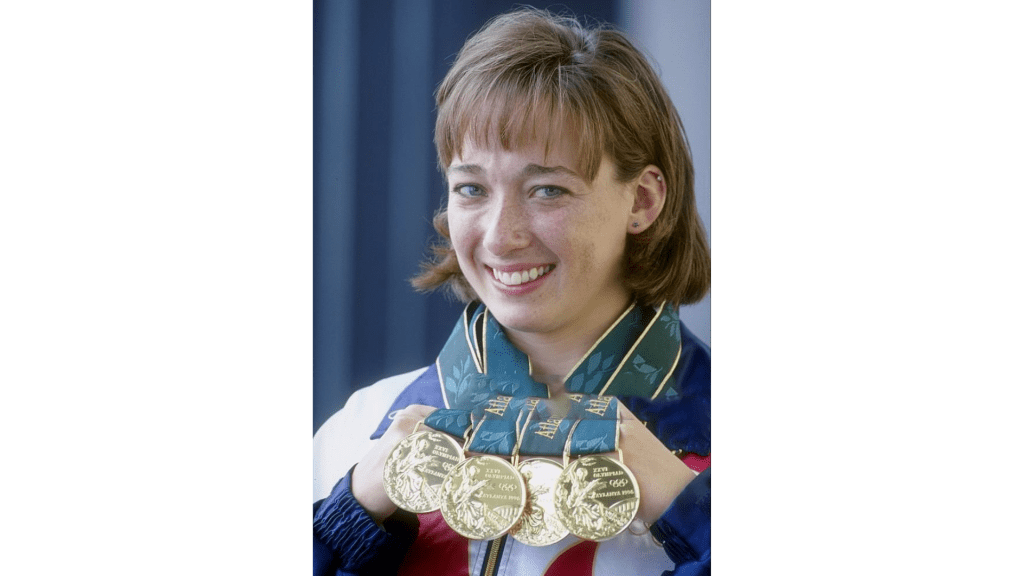
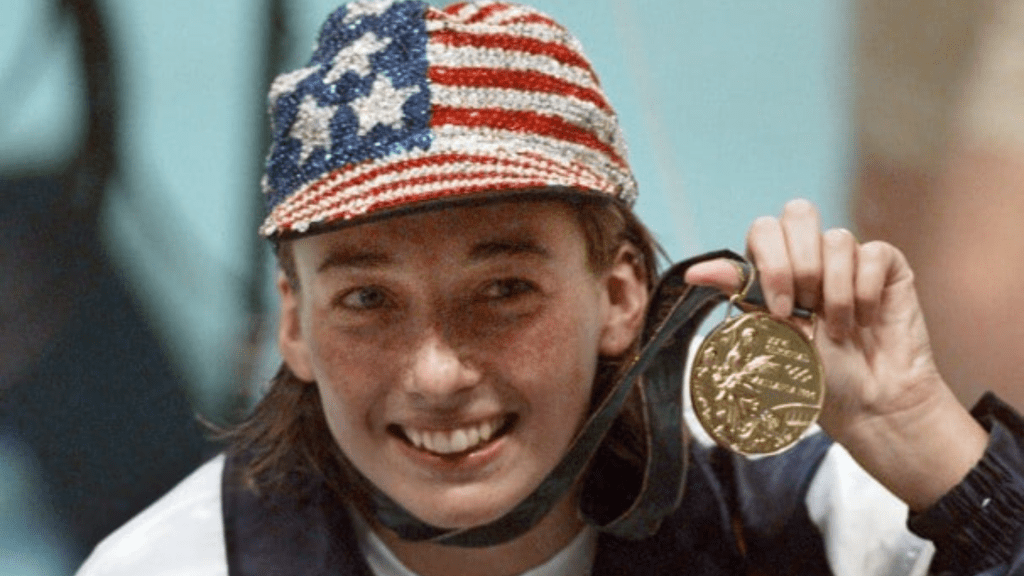
Amy attended Colorado State University where she dominated as a competitive swimmer. Van Dyken instantly made a name for herself across North America breaking the United States 50-yard freestyle record at the 1994 NCAA championship and was named the NCAA Female Swimmer of the Year. Shortly after, she took her talents to the world stage competing at the 1996 Olympics and became the first American Woman in any sport to win 4 gold medals in a single Olympics.
Amy continued her reign of success, amassing accolades that include the ESPN Award for Female Athlete of the Year, World Magazine’s Female Swimmer of the Year, an Induction into the Colorado Sports Hall of Fame, USOC Sports Woman of the Year, The Women’s Foundation Sports Woman of the Year, USA Swimmer of the year and received the Associated Press; Female Athlete of the Year award. Four years later, at the 2000 Olympics, Amy Van Dyken pushed through injuries, staging the ultimate comeback and winning an additional two gold medals. After retiring, Van Dyken was inducted into the International Swimming Hall of Fame and the United States Olympic Hall of Fame.
Known for her extraordinary achievements in the pool, her journey took a dramatic turn in 2014 when a tragic ATV accident left her paralyzed from the waist down. Yet, through this life-altering event, Van Dyken found an unexpected ally in cannabis, which transformed her recovery journey and ignited her advocacy for its acceptance in athletics.
“I’m Amy Van Dyken, the first American woman to snag four gold medals in a single Olympics,” she proudly states. “That record’s still standing. In 2014, life threw me an ATV accident that left me paralyzed from the belly button down. Nerve pain became my unwelcome companion. Despite following the medical playbook, my condition worsened. Then, a friend and cannabis educator suggested cannabis. I had my reservations, but when I tried it, a wave of relief washed over me. If it worked for me, I figured it could help others too.”
Swimming: A Journey of Resilience
You’ve always had a competitive edge, earning NCAA Swimmer of the Year honours and winning 6 Olympic Gold Medals. What drew you to swimming and made you pursue it at the highest level?
Amy Van Dyken:
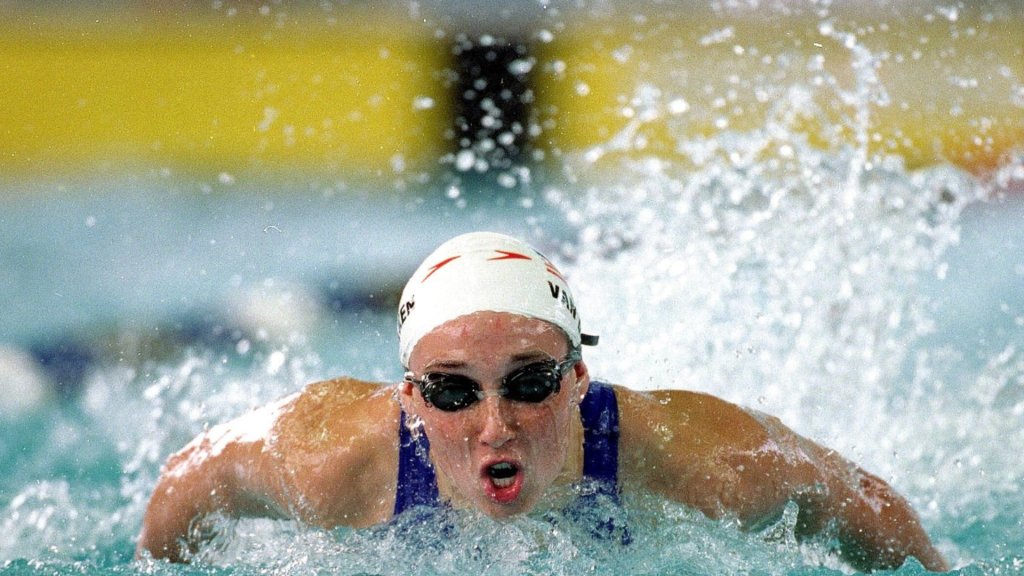
“Growing up with severe asthma was tough. I have all three types: exercise-induced, allergy-induced, and infection-induced, since I was just 18 months old. There were days I struggled to climb stairs alone. Determined to find relief, I turned to water sports, as advised by my allergist. I tried my hand at swimming, diving, and synchronized swimming. Diving was a disaster, and synchro wasn’t my thing. But swimming? That clicked. It wasn’t smooth sailing, though. It took me six long years to complete just 25 yards. I wasn’t the best, but being with my friends made it worthwhile. As I continued to practice and improve, so did my performance. Winning became my sweet reward, better than any Dairy Queen treat. And so, I kept swimming.”
Olympic Glory: A Glimpse into the Zone
In 1996, you made history as the first woman in any sport to win four gold medals at a single Olympics. What was that experience like, and how did it feel to achieve something unprecedented?
“During my university days, I just kept improving. I shattered the American record, earned the title of NCAA Swimmer of the Year, and suddenly, the Olympics seemed within reach. What people often overlook is the addictive allure of being in the zone of winning. It’s like having your favourite music blasting through your headphones while all you perceive is silence. You’re enveloped in a bubble of focus, impervious to distractions…”
Injury and Resilience: A Test of Character
After your incredible success, a shoulder injury forced you to undergo several surgeries, sidelining your career. What was the treatment plan during that time, and how did the wellness conversation evolve for you?
Amy Van Dyken:
“Living at the Olympic Training Center was surreal. Achieving what no other American woman had done was incredible. But when injury struck, I felt isolated. Thirty minutes of rehab a day wasn’t cutting it for someone used to eight hours of training. So, I took matters into my own hands. With the help of my husband’s connections, I discovered Muscle Activation Technology. But it was my grit and determination, not painkillers, that got me through. Despite facing doubters and a second shoulder surgery right before the Olympic trials, I refused to quit.”
Defying all odds, you staged the ultimate comeback at the 2000 Olympics, persevering to win two more gold medals. Outside of dedication, it takes a strong mind to get through an injury and climb back to the top of the mountain. Why was it important for you to stay laser-focused and positive and push relentlessly for your dreams?
Amy Van Dyken
“Maintaining a positive mental attitude was non-negotiable for my comeback. The pain, the gruelling rehab, the daunting prospect of catching up with the world—it was all intense. But I’ve never been one to accept “no” as an answer. Just ask my parents, my husband, or my coach. If you tell me I can’t do something, I’ll prove you wrong, and I’ll do it better than ever. Doctors coaches—they all doubted my readiness. So, I turned to my trusted coach at Colorado State University, John Mattos, to whip me into shape. Standing on that podium for my final gold medal, I was a mess—ice packs and lots of massages masking the agony. But amidst the pain of watching the American flag rise, I couldn’t help but marvel at defying the odds. Despite being broken, I had done the unthinkable. It was a testament to resilience and determination. Walking away from the sport I loved wasn’t easy, but I did it my way.”
The Road to Recovery: A Journey Through Darkness
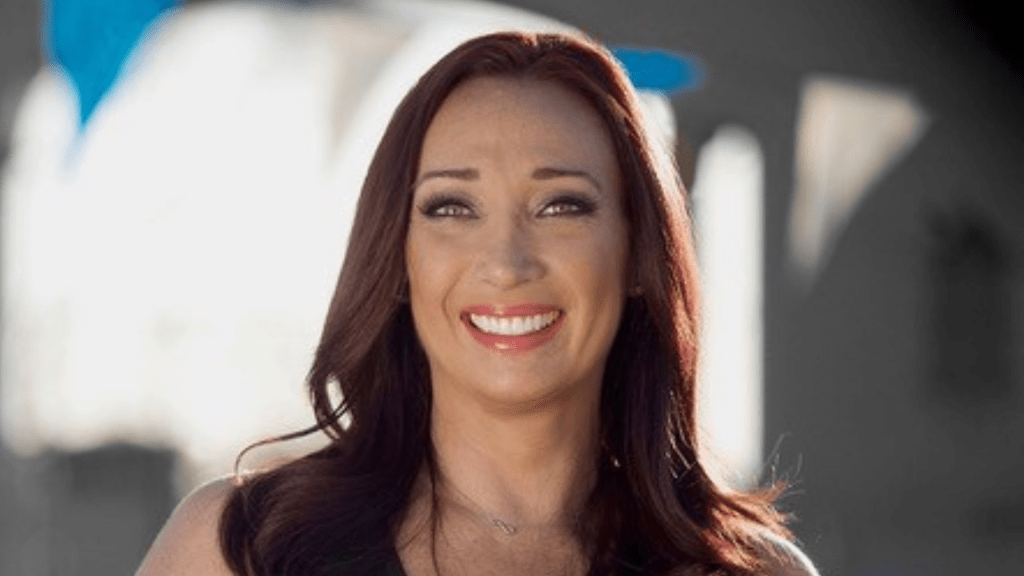
After retiring, you made headlines as a thought leader and speaker. However, in 2014, a life-changing ATV accident left you paralyzed from the waist down.
Amy Van Dyken:
“The aftermath of the accident was a blur. I don’t recall the details, just the crushing impact on my head. Three weeks in ICU engulfed in excruciating pain. It wasn’t the broken bones that tortured me; it was the relentless nerve pain—a sensation akin to a perpetual atomic wedgie from my belly button to my toes. Rehab was no respite. They’d ask, “Are you in pain?” And my answer was always a resounding “Yes,” met with escalating doses of opioids. Over time, I lost chunks of my life to a haze of drugs, numbing both body and mind. It wasn’t until a new pain doctor intervened that I realized the truth: opioids weren’t just failing to ease my pain; they were exacerbating it.”
How did an accident of that magnitude, coupled with the medications you were on, impact your mental health?
“It wasn’t just a bad day; it was a nightmare. I often wonder how my husband weathered the storm—not the accident, that was the easy part—but the years that followed. It changed everything. Depression became my shadow, pain my constant companion. All I wanted was to retreat into the numbing comfort of YouTube, escaping the relentless ache that consumed me. Rediscovering myself through CrossFit and reclaiming victories in competition marked the turning point. Yet, the realization that the very pills prescribed to alleviate my suffering were, in fact, intensifying it was a gut-wrenching revelation. Doctors, sworn to heal, unwittingly became pawns in a larger game—a narrative woven by pharmaceutical giants whose actions have wrought devastation on countless lives. It’s a bitter pill to swallow, realizing that those we entrusted with our well-being were, in truth, complicit in our torment.”
Cannabis: A Lifeline Amidst Adversity
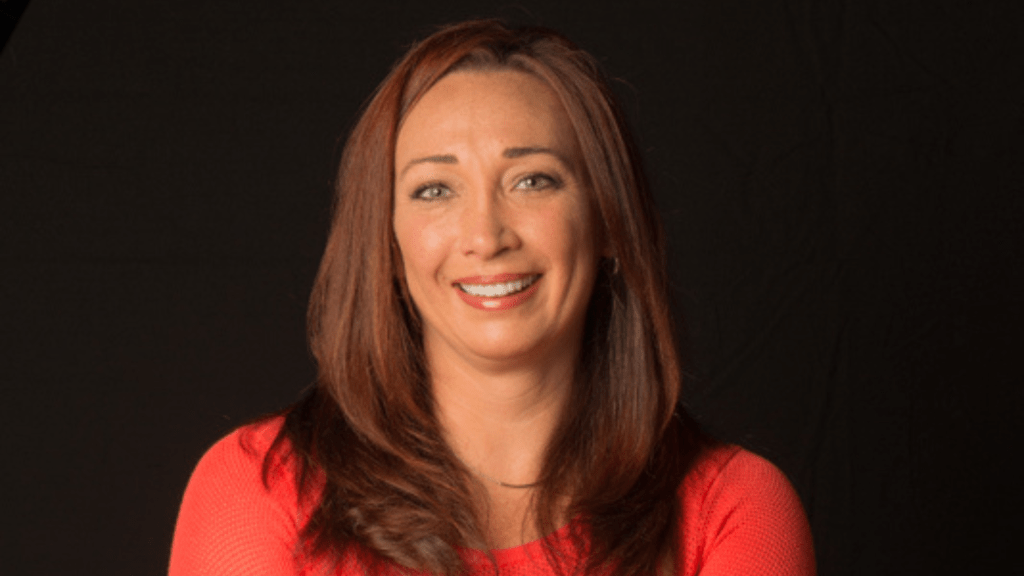
When did you ultimately partner in cannabis for recovery and relief, and what was your ah-ha moment?
Amy Van Dyken:
“I vividly recall my friend Bethany, a roller derby aficionado deeply entrenched in the cannabis realm. With her expertise, she proposed a solution—terpenes tailored to my needs. Skeptical yet hopeful, I ventured to a dispensary and tried Granddaddy Purps. As I inhaled, a warm wave of relief washed over me, a moment etched in memory. It’s the immediacy of relief that’s often overlooked—those precious hours free from relentless pain that reshape your world. And so, my journey with cannabis began, a fervent advocate for its medicinal prowess. No one should endure what I did, trapped in a cycle of suffering. Medical or recreational, cannabis offers a lifeline for countless ailments. It’s not a one-size-fits-all solution; experimentation & education are key. When you find what works, it’s transformative.”
What does your regimen look like, and where do you find cannabis helps you the most?
Amy Van Dyken
“For me, cannabis is a lifeline, primarily for pain management and mental well-being. Dealing with constant bodily agony is no joke. Today’s a rough day, so here’s my routine: starting with THC and CBD blend for inflammation after our chat. If that doesn’t cut it, I’ve got tinctures and delicious sour gummy edibles for backup. Midday, a bong hit might be in order. Then, come evening, it’s all about the edibles. I also incorporate CBG, CBD, CBN, and CBC, plus extra CVC for pain relief. Thanks to this regimen, spasms and pain no longer keep me up at night. I drift off into blissful dreams, where Ryan Reynolds stars in, well, let’s say, adult-themed films.”
With various compounds on the market, what’s your favourite and why?
Amy Van Dyken
“My go-to is CBD mixed with CBC. While CBD’s anti-inflammatory properties are great, CBC is the real MVP for swiftly reducing inflammation in my body. Adding a touch of THC, as Bethany taught me, helps it bind to pain receptors more effectively. That combo works wonders for me.”
Which mode of consumption do you find is the most effective for you?
Amy Van Dyken
“Edibles are my go-to for long-lasting relief. They deliver a full-bodied high that lasts, perfect for those endurance activities like your long bike rides. When I’m in major pain, I’ll start with an edible and then complement it with a vape, bong, or joint for more immediate relief. As the edibles kick in, life becomes more enjoyable. They’re my top choice for lasting and effective relief, but sometimes you just need that immediate help.”
Education: Changing the Narrative with Terp Tuesdays
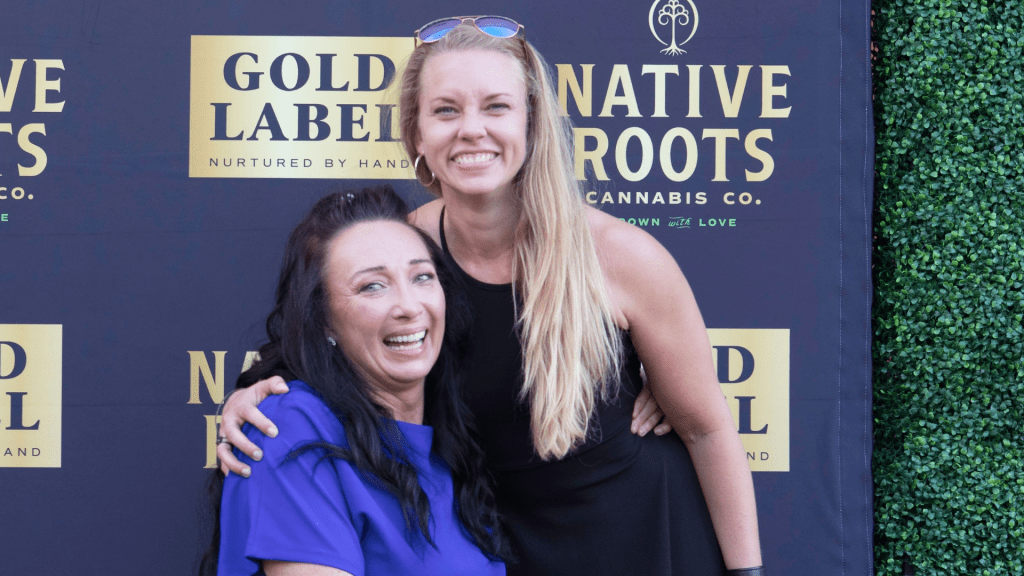
You’ve teamed up with a Cannabis Educator, Industry Leader and Retired Roller Derby Legend Bethany Semeiks, to create Terp Tuesday, an incredible show that aims to educate and stimulate curious cannabis minds. Talk to us about the show and how it came to fruition.
Amy Van Dyken
“One night, Bethany and I realized the urgency of destigmatizing cannabis and educating people about its benefits. It’s not just about aiding those with mental and physical ailments; it’s about revolutionizing the sports world, too. Let’s face it: nobody swims faster when they’re stoned. Our initiative, “Terp Tuesday,” aims to empower individuals, providing knowledge about cannabis, from terpenes to cannabinoids. We’re diving deep into hemp, exploring THCA, Delta-8, and more so people understand the effects and legality. Accessing cannabis shouldn’t be intimidating. We’re here to arm you with enough knowledge to navigate dispensaries confidently. Together, let’s break down barriers and embrace the healing potential of cannabis.” adding, “We can ultimately break the stigma by taking a real look at cannabis, and its impact on athletes. Its current classification in sports is simply wrong. Shikari Richardson’s ban sparked a conversation, highlighting the need for change. While I’m an advocate, I believe rules must be followed. However, it’s time to reevaluate cannabis in sports. Its benefits for recovery and relief are undeniable. Let’s push for a shift in regulations to reflect the reality of cannabis in athletics. Athletes must step up and openly discuss their cannabis use, just like Jim McMahon did. We need more role models to break the stigma. While progress is happening, it’s a collective effort. Let’s unite as a community to destigmatize cannabis.”
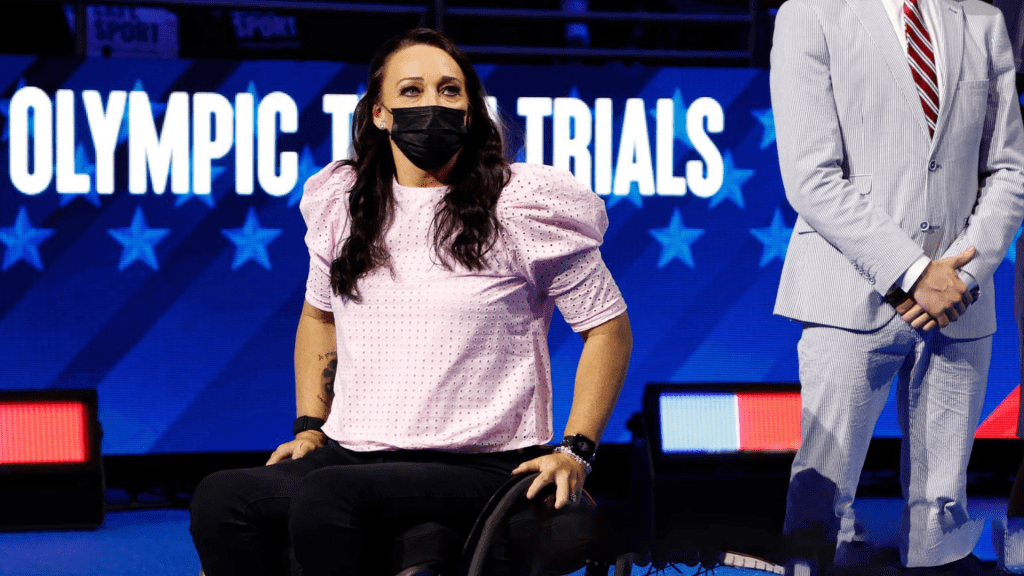
Reflecting on her incredible journey, she states, “If I can use my voice to change one person’s perception of cannabis and its healing potential, then I’ve done my job.” This commitment to breaking down barriers encapsulates her spirit as an Olympian and a trailblazer for athletes everywhere.
In a world where the narrative around cannabis is still evolving, Amy Van Dyken stands as a beacon of hope and change. Her story is a clarion call to embrace new understandings, champion holistic healing, and support athletes in their quest for relief. With her legendary career as a backdrop, she invites us all to join the movement to change the cannabis narrative and break the stigma.
Join Her Movement, Follow Amy Today: Instagram | X | LinkedIn
Sports Cannabis
Join The Movement, Subscribe to Our Newsletter
Toronto, Ontario
BREAKTHESTIGMA
 SPORTS CANNABIS