
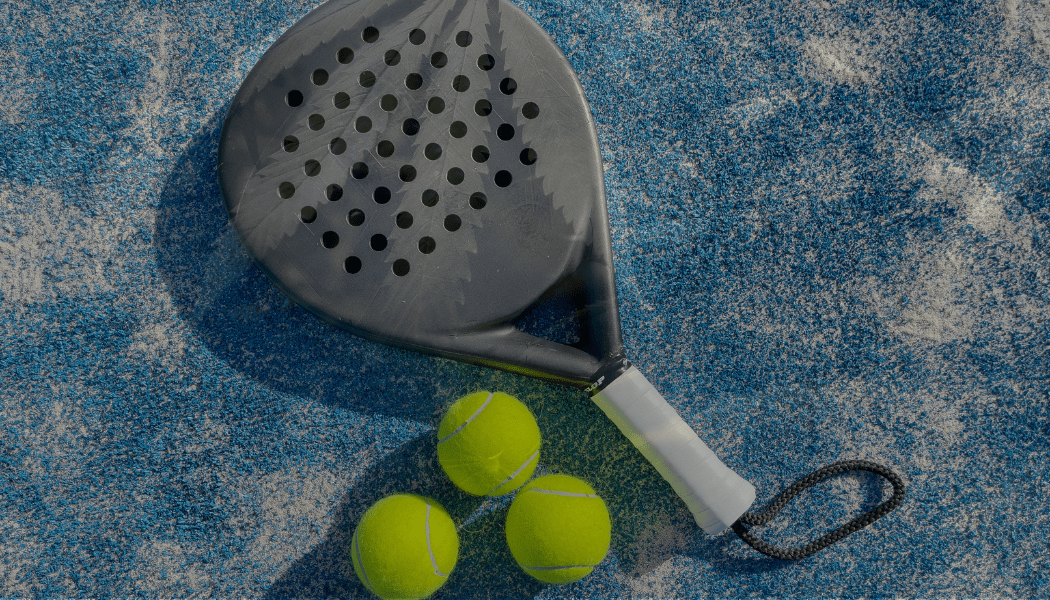

My personal journey with Padel began while on holiday in Portugal with my wife. I’ve been a dedicated tennis player ever since the global pandemic. My wife and I rented out our place in the city and bought an A-frame cabin in the Catskills. I played tennis 4-5 times a week and started to see why this sport is so addictive. In 2022, my wife got a new job which moved us to Denver, Colorado. Coincidentally, our apartment was right across the street from the Gates Tennis Center in Cherry Creek. I even gave Pickle Ball a try; it reminded me of Pingpong, which I played as a kid. I would hear this distinct hollow knock sound at 6:00 am every morning. At first, I was annoyed. Eventually, trying it out for myself, including some private lessons and competitive open plays, I decided to stick with Tennis (smart move). In the Summer of 2023, we found ourselves moving back to NYC, and much to my surprise, I discovered that Padel had made its way out here.
Before moving upstate and later to Denver, I was a successful personal trainer in NYC and had a full plate developing office ergonomics programming for WeWork. The pandemic (and the subsequent fall of WeWork) put a halt to all of that. It kept my mind, body, and spirit engaged. In short, I was enamoured by Padel. So much so that to become a global ambassador for the sport, I decided to pursue a certified coaching degree in Padel, which I am happy to say I will complete by the end of March.
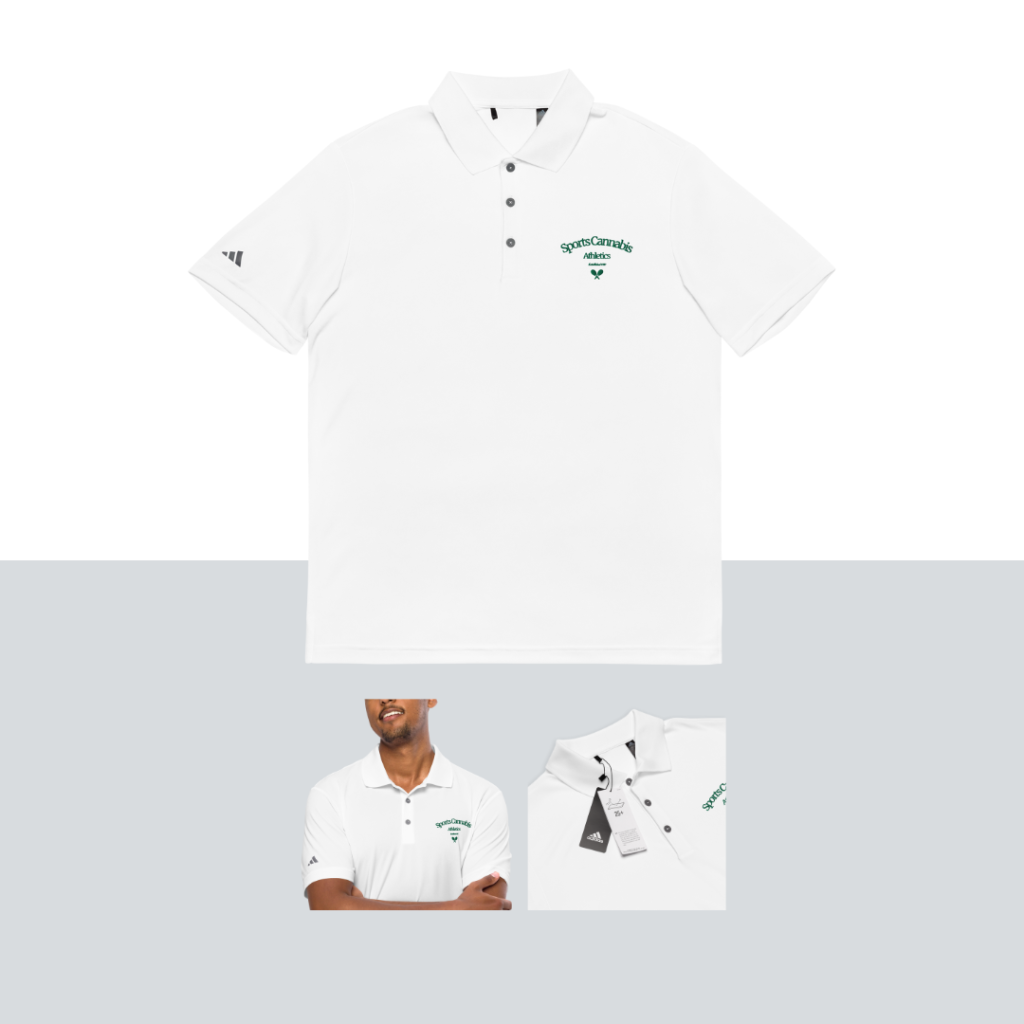
What exactly is Padel? It’s essentially tennis with walls and a cage – where do I sign up? But first, the pronunciation debate: Is it Puh-Dell or Pah-Dill? Well, it depends on who you ask. In Mexico, where Padel was invented, it’s pronounced Pah-Dill, while Europeans opt for Pah-Dell, and here in North America, we say it like it’s spelled Pa-Del. However you say it, just don’t miss out on playing. Even though the growth is still in its early stages, it’s undoubtedly the fastest-growing sport in the world, with courts and facilities springing up all over North America and Europe every month. Created in the 1960’s, Padel was born out of necessity and a love of Tennis. A successful gentleman by the name of Enrique Corcuera had a passion for tennis but lacked the space to build a proper court on his property, so he shrunk the court, incorporated a wall of his house, and Padel was born. There are many similarities with Tennis and quite a few differences. The Padel court is approximately 25-30% smaller than a standard tennis court. It has glass walls called “crystal,” pronounced like Louis Roderer Cristal Champagne, wire cage fencing, and a lower net. You keep score the same way you would in Tennis with one caveat, there is no advantage in Padel like there is in Tennis. This means you play a golden point if you end up at deuce (40-40). The team who wins this point wins the game. Padel is relatively easy to play on the first try for beginners. With an underhand serve, a less bouncy ball, and a racket, shovel, or some call a blade closer to your hand, it is easier to make contact than other racquet sports like Tennis or Squash.
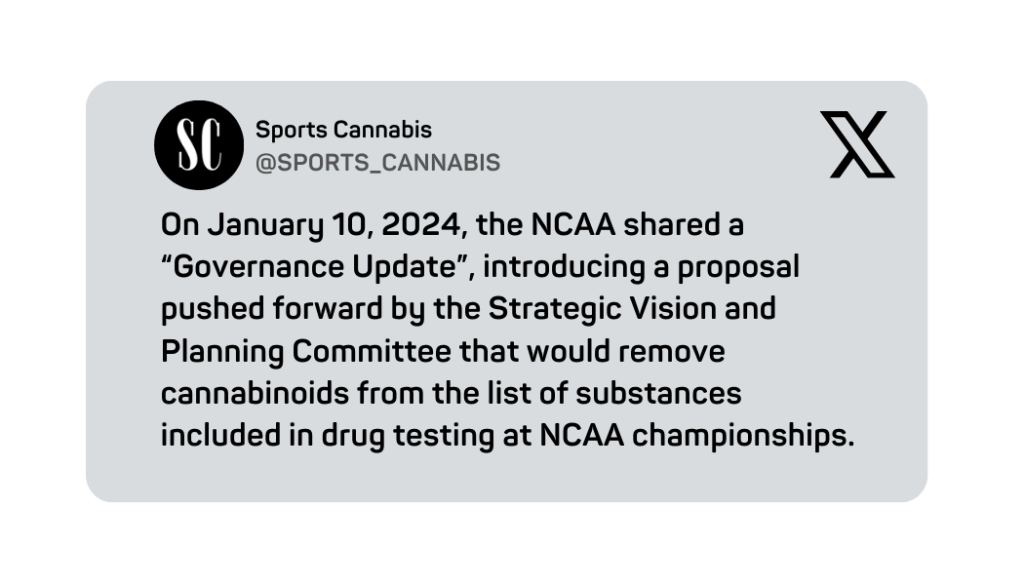
The rise of both Padel and cannabis exemplifies how societal attitudes and regulations can evolve, allowing for the emergence of previously overlooked activities and industries. Since its rise in Mexico in the mid-1900s, Padel has gained popularity globally, with the International Olympic Committee recognizing it as an international sport in 2019, potentially paving the way for Olympic inclusion. Similarly, Cannabis has reached new heights in the past five years recreational use of cannabis has been legalized in 24 states, three U.S. territories, and D.C. and another seven states have decriminalized its use. The Olympics follows the World Anti-Doping Agency’s drug use policy, which bans cannabis use during competition season but not during the offseason. American Olympic runner Sha’Carri Richardson was infamously disqualified from the Olympics after testing positive for cannabis in 2021 following a win at the Olympic trials in Oregon. Although cannabis is legal in the state, because the American Track Federation is a part of the Olympics, it follows WADA guidelines. The Big 4 in professional sports leagues in North America— NBA, NFL, MLB, and NHL— are no longer penalizing their players for cannabis use. It is my personal opinion that this will only increase the performance and longevity of its players in their respective leagues as it has a multitude of medicinal benefits both physiologically and mentally.
If my love of tennis drove me to discover Padel, it was my love for basketball that drove me to discover yoga and cannabis. As a talented collegiate basketball player, my athletic career was abruptly cut short by severe back injuries sustained while playing. I was told I would never play again. I was severely depressed and in extreme pain 24/7. I developed an unhealthy dependency on prescription painkillers my doctor prescribed. I trusted the medical community to have my best interest in mind, I was wrong. The pills did nothing but mask the pain and allowed me to suffer in silence. It was up to me to figure out how I can become more like myself once again. That’s when a close friend and teammate of mine shared his yoga practice with me. We were watching a documentary called hip-hop holistic and wellness and I immediately changed my diet moving into a vegetarian and eventually a raw vegan lifestyle. That night I gave up opiates and meat cold turkey. It was on this journey that I also discovered the medicinal qualities of cannabis. Previously, I only saw weed as an alternative to drinking in social situations as I was never much of a drinker. Once I began this holistic journey, I was still in pain but I learned through breath awareness and mindfulness how to deal with it and eventually the practice of yoga and moving my body mindfully healed the nerve damage I was suffering from. We don’t need to suffer; we may still be experiencing pain but suffering is not necessary. The cannabis plant and all of its magical powers connect to the mind body in such a way that we are born with these cannabinoid receptors in our brains. Today, Padel, microdosing cannabis and yoga have become the three pillars to my well-being. Cannabis plays a crucial role in my recovery routine, aiding in both managing my performance anxiety pre-game and pain relief and relaxation post-game.
So why the fascination with Padel, you might ask. Former pro, Del Pilar describes it best. “Padel is the perfect combination of an acrobatic, violent, and extremely exciting action taking place in an atmosphere of total welcoming and appealing tranquility. It is the perfect combination of workout and social gathering where players of all ages and skills can have fun from the very first time.” Padel is a powerful connector, he adds, “it’s the nexus between vision, intellect, and athleticism. It’s a networking superconductor for athletic, like-minded, like-moneyed masters of the universe.”
As these landscapes continue to develop, individuals are given the chance to explore new avenues, challenge existing boundaries, and contribute to the shaping of contemporary culture. The future of Padel and cannabis looks bright, with potential to dominate sports like tennis, squash, and pickleball in the coming years. Only time will tell.
About the Author:

Daniel Gottlieb is a former college athlete specializing in human movement and recovery programming. Diagnosed with Wilson’s Disease, a rare genetic disease, he is a survivor and is sharing the message that destigmatizing cannabis use in all forms should be legalized throughout the world. In 2023, Daniel launched the clothing brand YTC (Yoga, Tennis, Cannabis) flexing his creative muscle inspired by his three passions.
Follow Daniel On: Instagram | Web | LinkedIn
Sports Cannabis
Toronto, Ontario
Canada
Join the Movement
 SPORTS CANNABIS